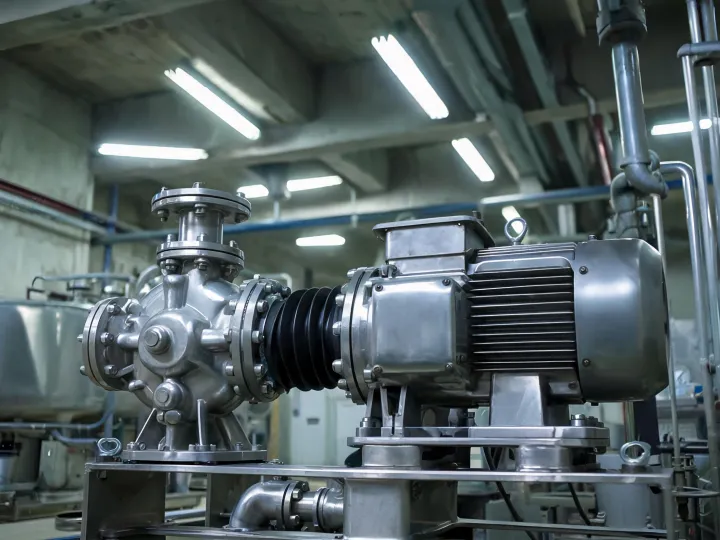
Process pumps and valves
Name the fluid. Oil and fuel push the brief toward nitrile or FKM. Steam and outdoor weather often keep EPDM in the conversation. Do not copy a pump brochure temperature as this desk’s rating.
BUYER SUPPORT / FIRST ORDER
Compare factory quotes on the same rubber bellows line
FREE review of product, quantity, destination and sourcing requirements
Eligible first orders may receive up to 3%
Eligibility applies to qualified business buyers and is confirmed after we review your product, quantity, destination, and sourcing requirements. Final figures depend on supplier confirmation, product type and order value. This is not a discount, lowest-price, or today-only offer.
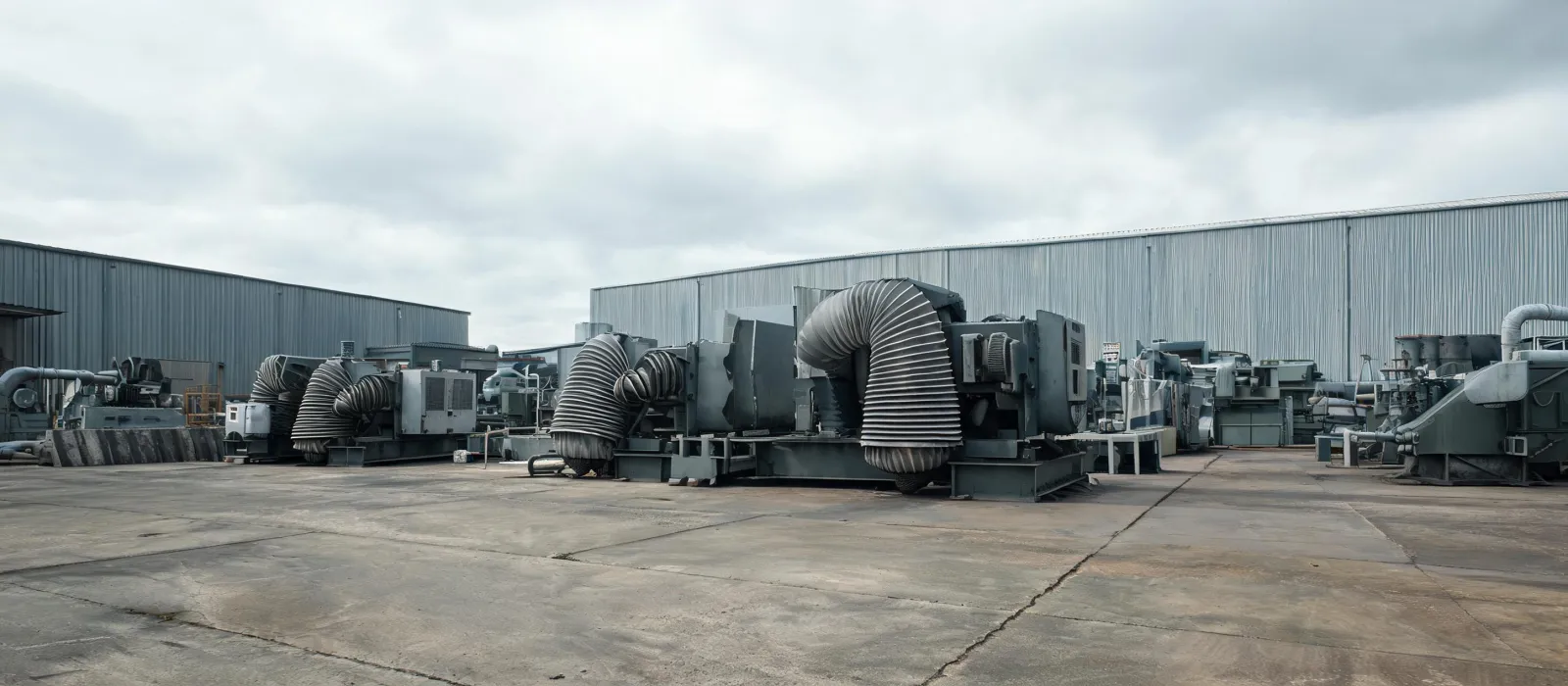
Translate the installation into purchase requirements, not into a promised result. Industrial rubber bellows protect a rod, a shaft or a joint from dust, splash or weather. The project still has to name the stroke, the medium and the temperature the receiving plant will live with.
Name the fluid. Oil and fuel push the brief toward nitrile or FKM. Steam and outdoor weather often keep EPDM in the conversation. Do not copy a pump brochure temperature as this desk’s rating.
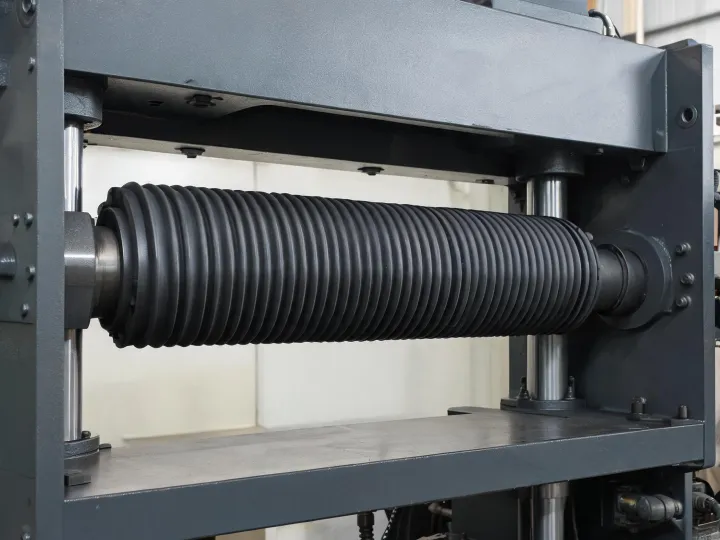
Closed length, open length and the path the convolution must follow belong on the request. Abrasion against a way cover changes tear-strength questions. Cycle count is a buyer context, not a life promise from this desk.
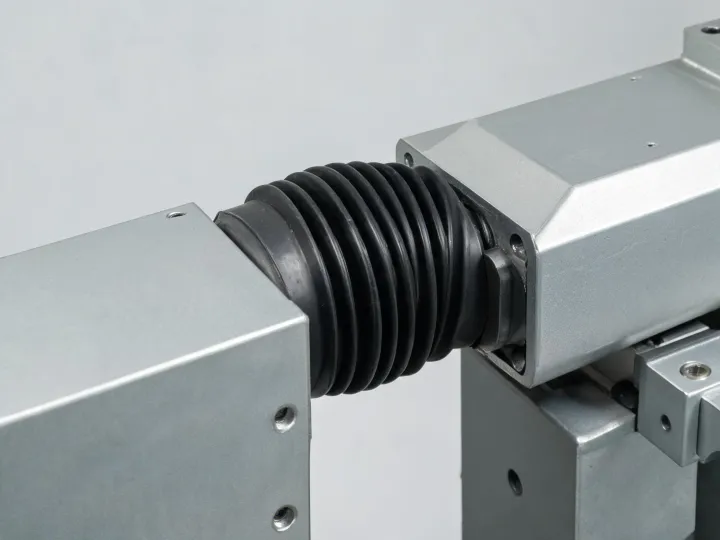
Flange style, clamp ring and whether the boot is molded as one piece or joined stay buyer decisions. A leftover competitor number is a cross-reference the factory may or may not accept in writing.
These counters are reminder labels. They are not published plant counts, certified temperature ranges, or a claim that Rubber Bellows Sourcing has audited a factory.
Process engineers regularly face silicone versus fluoroelastomer when a boot sees heat and hydrocarbons. Silicone survives a wide temperature window, is often the first call for food-contact or medical files, and costs a fraction of FKM. FKM holds sealing force in oils, fuels and many solvents where silicone swells; FFKM extends that chemical window further at a much higher material cost. This page does not pick the winner. It asks the buyer to name the medium so the factory can answer swell, not so this desk can reprint a 200°C brochure line as its own.
A second fork is vulcanized rubber versus a thermoplastic elastomer. TPE or TPU can run on injection equipment with shorter cycles and runner regrind. Crosslinked EPDM, NBR, FKM or peroxide-cured silicone still delivers compression set and continuous heat that many TPE grades cannot match above about 120°C continuous service. If a factory proposes TPE against a thermoset drawing, treat that as a new request.
Confirm on site before ordering industrial rubber bellows: the actual stroke, the interference at the cuff, whether the boot will sit in sun, and whether the receiving quality team will ask for a named ASTM method. A photo from 2024 maintenance is useful only when those axes are written in 2026 language.
Request Factory Quotes